



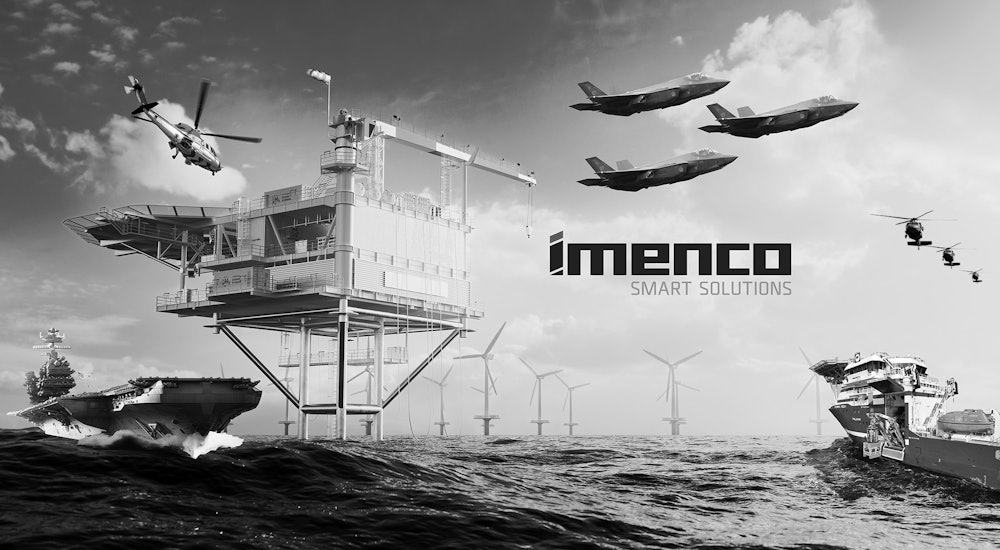
Knowledge acquired through many years of product development and improvement has resulted in our smart solutions
With roots in the harsh and beautiful environment of the western coast of Norway we have grown into an international group of companies. Our product range is based on knowledge acquired through many years of product development and improvement, which has resulted in our smart solutions. Our engineering team is specialized in mechanics, hydraulics and electronics engineering and we provide services for the worlds leading oil and drilling companies.
We have our own YouTube channel, here you can see service, information and news videos – Welcome to The Imenco World

Imenco has been delivering solutions to the armed forces for over 40 years. During this time, we have gained extensive experience providing global militaries with high-quality products and services. We are firmly committed to meeting our customer’s needs and working...
Imenco has been delivering solutions to the armed forces for over 40 years. During this time, we have gained extensive experience providing global militaries with high-quality products and services. We are firmly committed to meeting our customer’s needs and working closely with them to develop customized solutions that meet their specific requirements.
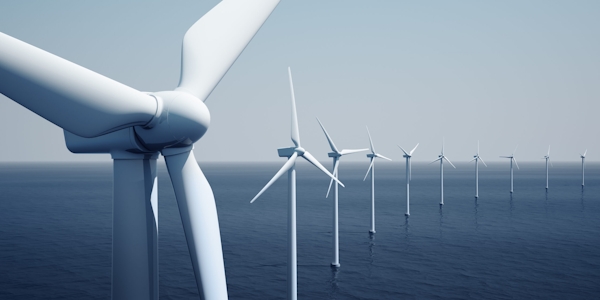
Corrosion protection for offshore windfarms, substation fuel systems, offshore wind CCTV visual surveillance systems, mechanical solutions for landing and lockdown of multi legged jackets for offshore wind and hydraulic cylinders for water power plants are among the products that we...
Corrosion protection for offshore windfarms, substation fuel systems, offshore wind CCTV visual surveillance systems, mechanical solutions for landing and lockdown of multi legged jackets for offshore wind and hydraulic cylinders for water power plants are among the products that we deliver to the renewable sector. Our capacity and experience make us able to deliver large projects to the global market.
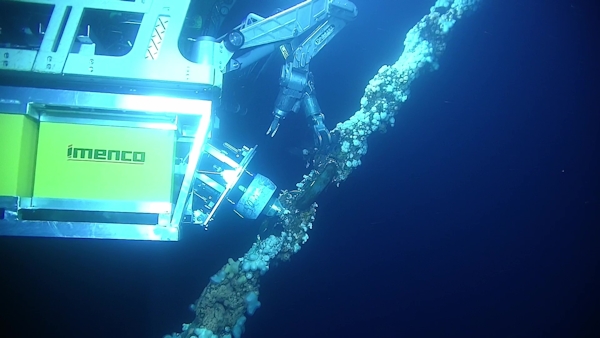
Setting a new standard in the protection of mooring systems Capitalising on our extensive experience with Cathodic Protection, we at Imenco Corrosion Technology are setting a new standard in the protection of mooring systems. This now includes the chains on...
Setting a new standard in the protection of mooring systems Capitalising on our extensive experience with Cathodic Protection, we at Imenco Corrosion Technology are setting a new standard in the protection of mooring systems. This now includes the chains on permanent offshore structures through the use of sacrificial anodes. Combining the incredible strength and conductivity of our industry-leading Piranha® clamp with a revolutionary system for the installation of anodes along the length of the chain, Pacu™ is transforming the available strategies for subsea chain protection.


